Separate the questions
Silver-tone can describe appearance; a silver-plated item has a silver surface over a base metal. Sterling describes an alloy composition. Do not replace an unknown base material with sterling because a product looks white or shiny.
Ask what is beneath the finish
A useful listing names the base material, any plating and the parts covered by that description. If the post or backing is different, preserve that distinction instead of treating the decorative front as the whole earring.
Avoid a visual verdict
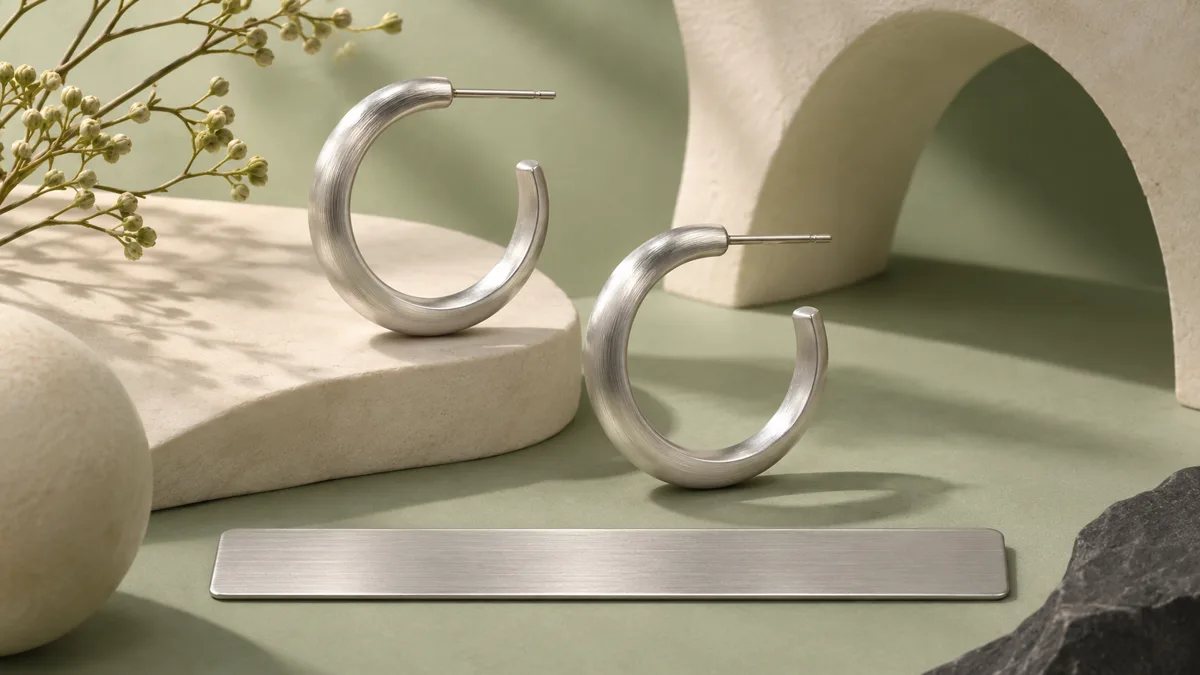
Our images are generic silver-colored illustrations. They do not certify a precious-metal content, plating thickness or authenticity. A low or high retail price also cannot independently establish the alloy.
A useful detail to retain
Keep the seller’s exact wording in a saved comparison row. If the only statement is silver-tone, record the base metal as unknown rather than upgrading the description. If the item is plated, ask what lies beneath the coating and whether different parts use different materials. A color swatch cannot answer those questions.
Before you decide
- Save exact material and selling unit
- Keep dimensions and their definitions
- Refresh the selected offer before ordering
Sources & scope
Checked November 4, 2026. FTC and manufacturer references support the specific statements. Dated displayed prices are not final checkout quotes, performance rankings or individual product clearance. This shopping reference does not replace the product label or individual piercing or health advice.
Keep reading
Sterling silver: read the material claim carefully ↗